
Safety is not an option when you work in a place where hazardous gases can exist. Oil and gas, manufacturing, wastewater treatment, mining, and chemical handling industries are all businesses that often subject workers to unseen hazards in toxic gases or low oxygen levels. That is why the selection of the appropriate portable multi-gas detector can really save lives. However, there are so many models and features available, which one makes the most out of? This guide will deliver a breakdown of all you need to know before investing in a reliable gas detector.
Key Factors to Consider Before Investing in a Gas Detector
1) Define the gases and the job
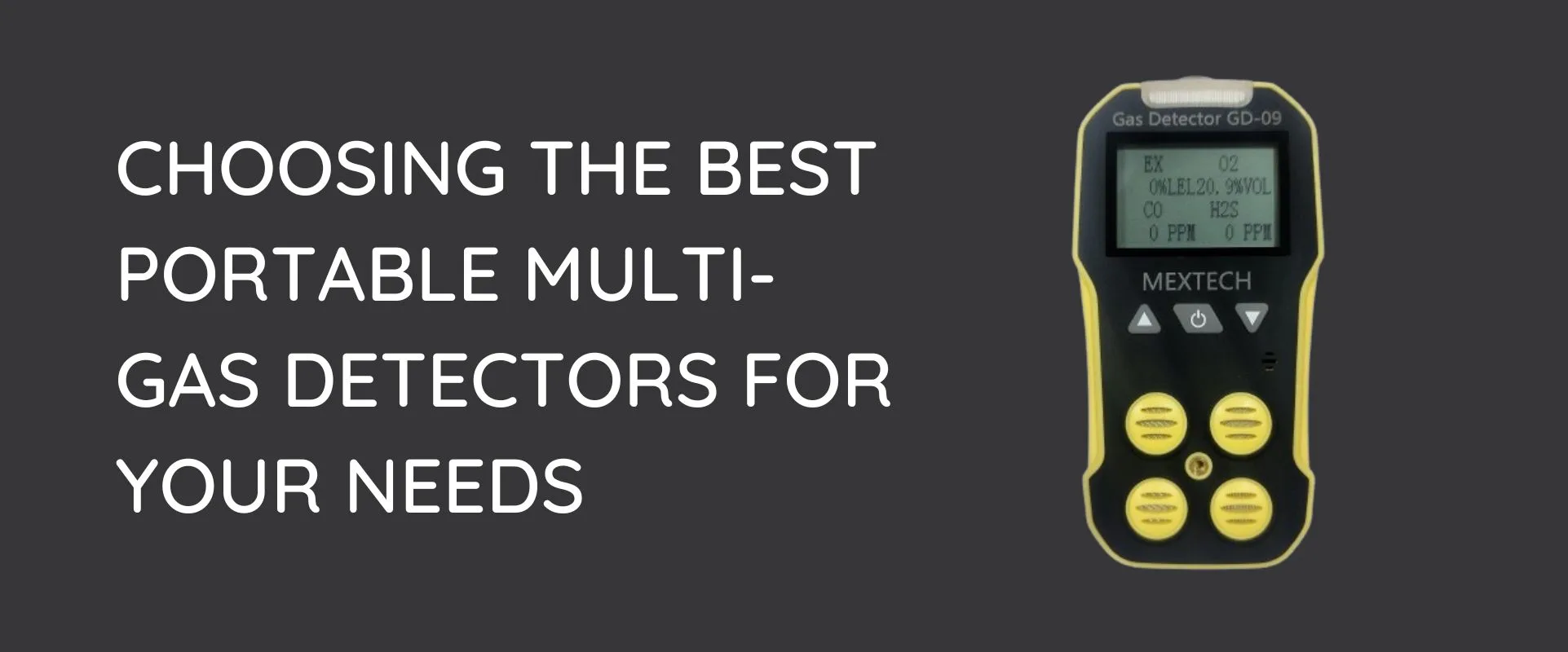
Most portable units monitor the “classic four” (LEL combustibles, O₂, CO, H₂S). If you handle solvents, refrigerants, or special toxics, look for swappable sensors (e.g., VOCs or SO₂/NO₂). Clear up front which hazards you must measure, and whether readings are for personal protection, confined spaces, or leak-hunting. Many reliable buyer guides and vendor manuals emphasize matching sensors to the actual risk profile.
2) Know your sampling method: diffusion vs. pumped
Diffusion models are smaller and can be used as individual, continuous, and constant monitoring. Pumped models actively sample- before-entry test- samples, remote sampling or leak checks where you cannot physically access the space. It will be a matter of access, distance, and speed of response.
3) Insist on the right approvals (hazardous areas)
Where you handle flammables or explosive environments, you should use devices that have appropriate ATEX / IECEx markings and proper zone/class division ratings. These certifications show the level of ignition protection of the equipment in a gas/dust environment; this is not negotiable in terms of compliance and safety.
4) Alarms and exposure logic matter
In addition to plain HIGH/LOW threshold, quality instruments have been enabled with TWA (8-hour) and STEL (short-term) alarms alongside multi-alarm indication, where multiple sensors will react simultaneously. This assists in harmonising field practice and occupational exposure concepts and real world peaks.
5) Build quality, ingress rating, and battery life
Check rugged housings, drop resistance, and appropriate IP rating (e.g. IP65/67) against dust and water. Long battery life (full shift+), readable displays, loud audible and vibrating alarms and glove-receptive buttons minimize user errors in low visibility, noisy locations.
6) Data, connectivity, and fleet management
Datalogging, Bluetooth/app integration, and docking systems make compliance records, maintenance scheduling, and trend analysis easier, particularly when you have a fleet of vehicles that run through shifts. These features are emphasized in major manuals that are important to modern plants and contractors.
7) Training and usability
Emphasise usability interfaces, icon-based interfaces and operate using two buttons to reduce onboarding. Proper ergonomics and the ability to understand the alarm conditions assist a new user in reacting properly during stress.
How to shortlist quickly
- Locate your target gases and tasks (personal, pre-entry, or leak-hunting using a Multi Gas Leak Detector).
- Select pump or diffusion.
- Confirm ATEX/IECEx (or local equivalents) and a suitable IP rating.
- Check alarms (TWA/STEL/HIGH/LOW), battery life, and datalogging.
- Reserve a calibration/bump-test schedule and confirm local service.
- Prefer known multi gas detectors manufacturers who have spares, docks and technical documentation available.
Should you be seeking a reliable Gas Leak Detector Manufacturer In India, be sure to highlight established Indian and international manufacturers with local service facilities and track records of compliance, be sure to consider MEXTECH and international brands as well as those offered by other manufacturers for value and availability. Having the right sensors, certifications, maintenance discipline, and usability allow your staff to have the right readings at the right time, ensuring people are safe and operations adhere.
Also read: What Is the Difference Between Gauss Meter and Tesla Meter?