
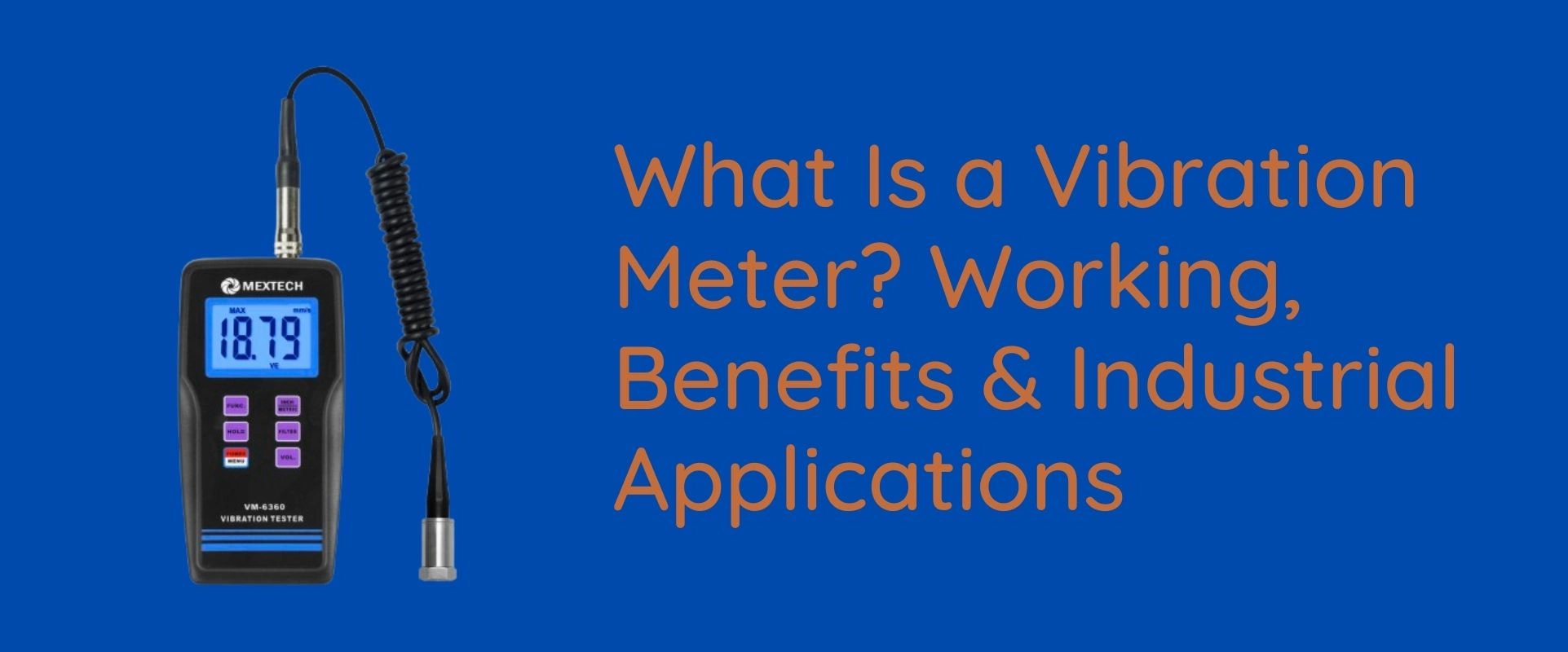
In modern industries, machine reliability, safety, and performance depend heavily on monitoring mechanical conditions. One of the most important parameters to track is vibration. Excessive vibration is often a warning sign of imbalance, misalignment, loosened components, or early-stage mechanical faults. This is where a vibration meter becomes invaluable.
A vibration meter is a must-have tool in industries such as manufacturing, automotive, electronics, aerospace, HVAC, and heavy machinery. Whether you’re performing routine maintenance or diagnosing machine failures, a vibration meter helps technicians detect issues earlier, prevent downtime, and improve operational efficiency.
In this detailed guide, we will explain what a vibration meter is, how it works, the core benefits, and the top industrial applications. This blog is specifically tailored for Mextech customers looking to understand vibration measurement tools and their importance.
What Is a Vibration Meter?
A vibration meter (also known as a vibration tester or vibration analyzer) is a handheld or digital device used to measure the vibration levels of machines, equipment, and structures. It evaluates the intensity, frequency, and acceleration of vibrations, helping maintenance professionals assess the health of rotating machinery.
Most vibration meters measure:
- Vibration velocity (mm/s)
- Acceleration (m/s²)
- Displacement (mm)
- Frequency (Hz)
These vibrations are critical indicators of machine health. When vibration levels rise beyond a safe threshold, it often indicates mechanical defects such as:
- Bearing wear
- Shaft misalignment
- Imbalance in rotating parts
- Gear mesh faults
- Motor looseness
- Structural weaknesses
By monitoring vibrations regularly, industries can avoid catastrophic failures and maintain machine efficiency.
How Does a Vibration Meter Work?
Vibration meters use accelerometers—advanced sensors that measure vibration as electrical signals. These signals are processed and displayed in readable units for technicians.
Here is a step-by-step explanation of how a vibration meter works:
1. Vibration Detection
When the vibration meter is placed on a machine’s surface, the accelerometer detects vibrations in the form of mechanical motion.
2. Conversion into Electrical Signals
The sensor converts this motion into electrical signals proportional to vibration intensity.
3. Signal Processing
Internal circuitry processes the raw signals and calculates:
- Acceleration (m/s²)
- Velocity (mm/s)
- Displacement (mm)
- Frequency (Hz)
These values provide deep insights into machine condition.
4. Display of Results
The processed vibration readings are displayed on the device’s screen, usually as:
- Instant readings
- Graphical trends
- Frequency spectrum (in advanced models)
5. Data Storage & Analysis (in advanced meters)
Some vibration meters allow data logging for long-term monitoring and predictive maintenance.
Key Benefits of Using a Vibration Meter
Using a vibration meter offers multiple advantages for industrial operations. Here are the top benefits:
1. Early Fault Detection
A vibration meter identifies mechanical issues such as bearing failure, misalignment, and imbalance long before they cause damage. This helps industries avoid costly repairs.
2. Reduces Machine Downtime
Machine breakdowns can stop entire production lines. By monitoring vibration, technicians can schedule timely maintenance and prevent unexpected downtime.
3. Enhances Safety
High vibration levels indicate machine instability. A vibration meter helps ensure safe operation, reducing the chances of accidents and equipment failure.
4. Improves Machine Efficiency
Optimized vibration levels ensure that machines run smoothly, consume less energy, and deliver consistent performance.
5. Cost-Effective Predictive Maintenance
Instead of replacing components prematurely or reacting to breakdowns, vibration meters support predictive maintenance, saving time and money.
6. Ensures Longer Machine Lifespan
Early detection and timely maintenance improve the lifespan of rotating equipment such as motors, pumps, fans, and compressors.
Types of Vibration Meters
Different industries rely on various types of vibration meters depending on the complexity of the machinery.
1. Basic Vibration Meters
Measures velocity and acceleration—ideal for quick inspections.
2. Digital Vibration Analyzers
Provide detailed diagnostics like frequency analysis and waveforms.
3. Wireless Vibration Sensors
Used for continuous and remote monitoring of critical machines.
4. Portable Handheld Vibration Meters
Most commonly used for predictive maintenance and troubleshooting.
Common Machine Faults Detected by a Vibration Meter
A vibration meter can detect several mechanical issues, including:
- Unbalance – Caused by uneven weight distribution in rotating parts
- Misalignment – When shafts or mechanical parts are not aligned
- Bearing Wear – Indicated by high-frequency vibration spikes
- Gear Faults – Wear or damage to gear teeth
- Electrical Motor Issues – Loose windings, rotor problems
- Mechanical Looseness – Loose bolts or structural components
Detecting these issues early helps avoid damage to machinery and ensures consistent performance.
Industrial Applications of Vibration Meters
Vibration meters are used in a wide range of industries for quality control, inspections, and predictive maintenance. Here are the most common applications:
1. Manufacturing Plants
Used to monitor motors, conveyors, grinders, pumps, and compressors.
2. Automotive Industry
Essential for detecting issues in engines, gearboxes, shafts, and suspension systems.
3. HVAC & Building Maintenance
Used for fans, blowers, chillers, and air-handling units to ensure smooth operation.
4. Aerospace & Defense
Critical for measuring vibration on aircraft components, turbines, and testing equipment.
5. Oil & Gas Industry
Used for monitoring pipelines, drilling machines, compressors, and pumps.
6. Power Plants
Vibration measurement is essential for turbines, generators, and rotating equipment.
7. Electronics & Precision Engineering
Helps maintain low-vibration environments for delicate instruments.
8. Railways & Heavy Machinery
Used for fault detection in engines, bogies, wheels, and industrial vehicles.
Why Vibration Monitoring Is Important in Industries?
Vibration monitoring has become a core part of modern industrial maintenance strategies because it:
- Prevents sudden equipment failure
- Improves reliability and safety
- Reduces maintenance costs
- Helps predict future breakdowns
- Enhances overall productivity
For industries aiming to maximize uptime and minimize downtime, vibration meters are essential tools.
How to Choose the Right Vibration Meter?
When selecting a vibration meter, consider:
- Measurement parameters – acceleration, displacement, velocity
- Frequency range
- Sensor type (piezoelectric accelerometer preferred)
- Data logging capability
- Display size and usability
- Battery life
- Portability
- Brand reliability
Mextech offers high-quality vibration meters designed for industrial accuracy and long-term durability.
Frequently Asked Questions (FAQs)
1. What is the purpose of a vibration meter?
A vibration meter measures machine vibrations to detect faults like imbalance, misalignment, or bearing wear. It helps maintain machine health.
2. What units are used to measure vibration?
Vibration is mainly measured in mm/s (velocity), m/s² (acceleration), and mm (displacement).
3. Which industries use vibration meters?
Industries such as manufacturing, automotive, HVAC, aerospace, power plants, and oil & gas rely on vibration meters.
4. Can vibration meters prevent machine breakdowns?
Yes. Regular vibration monitoring helps detect early-stage issues and prevents major mechanical failure.
5. Do vibration meters require calibration?
Yes, periodic calibration ensures measurement accuracy and compliance with industrial standards.
6. Are vibration meters portable?
Most modern vibration meters are compact, lightweight, and designed for handheld use.
Conclusion
A vibration meter is one of the most crucial instruments for maintaining machine health and preventing industrial failures. By measuring vibration levels accurately, it helps maintenance teams implement predictive maintenance, reduce downtime, and ensure safe operations.
Mextech vibration meters provide precision, durability, and ease of use, making them ideal for factories, workshops, power plants, HVAC units, and service engineers across India.